SUN’S GOLD AND COLD SNOWS: TWO FRAGRANCES FOR EARLY SPRING
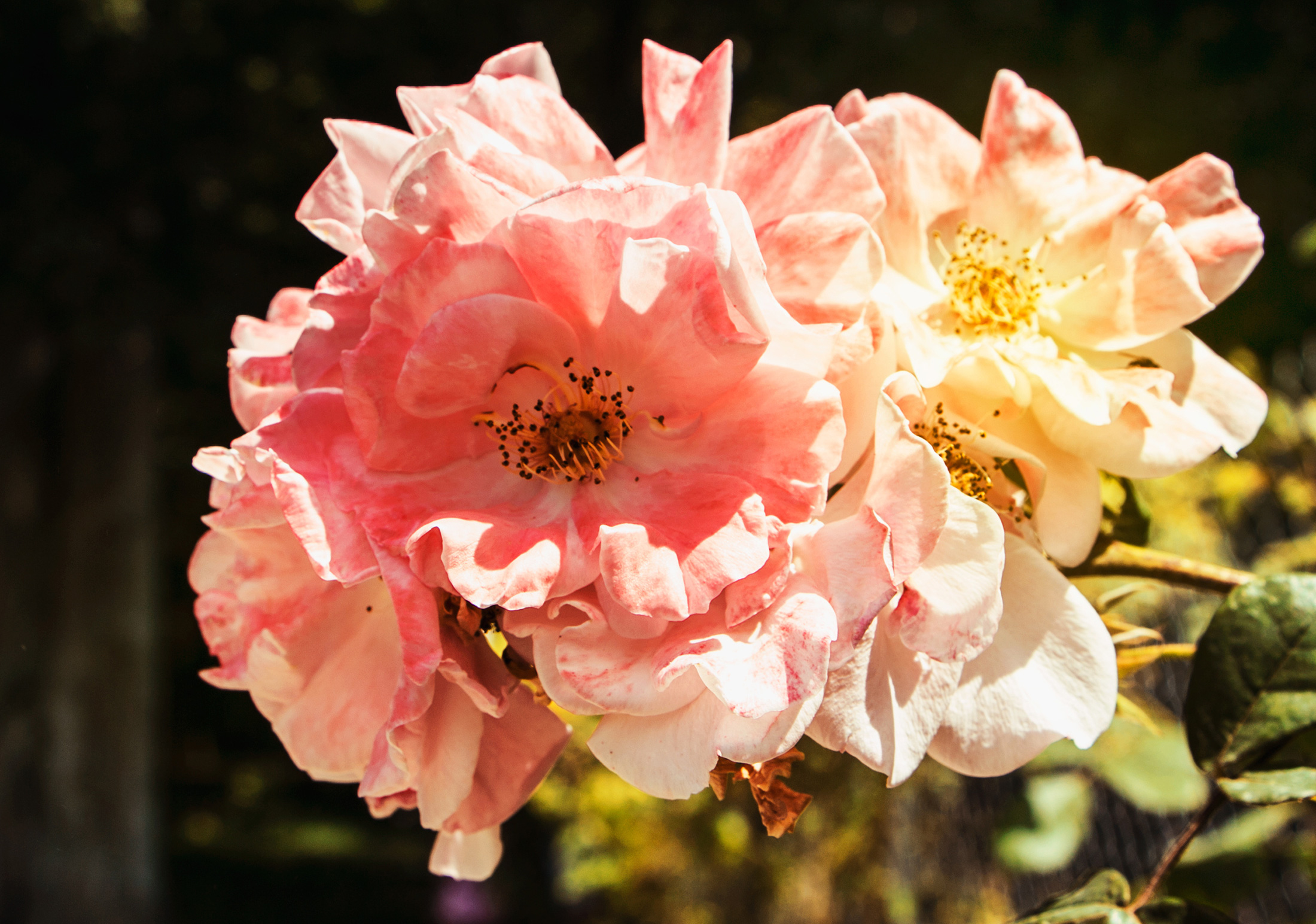
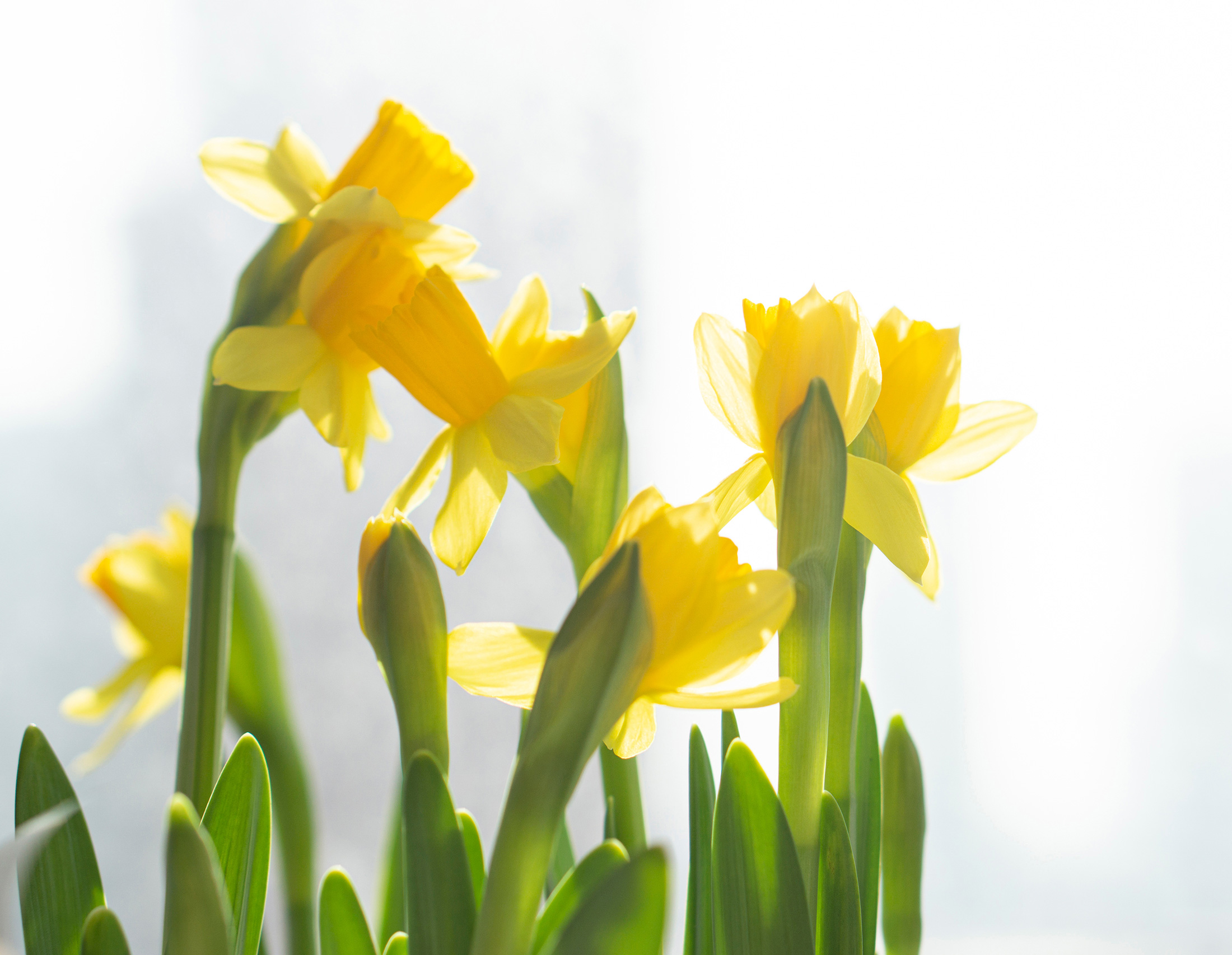
For several weeks now, the weather has been absolutely wonderful: generous sun and warmth, though the lingering snows—which piled higher than a person's head this winter—still exhale a cold breeze. Yet, wherever this icy armor has melted away, eager flowers are already breaking through, and soon our lawns will be dappled with daffodils, crocuses, and the first tulips.
Every year we witness this same spring awakening. Seemingly, there is nothing new in it, yet every time, it still feels like the very first! It feels like the only one, as if there will never be another quite like it.
During these months, I often find myself recalling Eve from Only Lovers Left Alive—for various reasons. When your age crosses the half-century mark, you slowly begin to gather the various philosophical and aesthetic threads that might adorn the second half of your life. And when you direct plays that feature not only mortals but also gods, you inevitably wonder how their psychology and worldview differ. So, while discussing the development of such fundamentally distinct characters with my actors, we remembered Eve and, perhaps, found the key to her persona.
Eve is about three thousand years old (unlike Adam, who is a mere five hundred—still such a baby!). Over all these years of observing the world, she has formed two curious internal perspectives. Everything humans do, she has already seen, and more than once. Their games, neuroses, problems, and conflicts; the endless variations of prevailing discourse and their inevitable clashes; the mass trends—they have long since ceased to offer her anything new, and are no longer particularly interesting. Because socially speaking, humanity changes very little throughout history, and each new generation simply reinvents the wheel with renewed enthusiasm.
Yet nature, which seemingly changes even less, invariably fills her with delight and tenderness. Look, a Mephitis mephitis just ran by! Mushrooms have popped up out of season—how terribly interesting to observe them!
And alongside nature stands art: the human creative genius that produces music, architecture, books, beautiful objects... and knows how to love. Not just a chosen partner, but life itself. To look around and recognize beauty; to validate it, caressing it with both a glance and the soul; to offer it inner pleasantries and express gratitude for the encounter. While we are alive. While we still can.
I am fascinated by scents capable of outliving generations—specimens of timeless beauty in which, it seems, eternity itself is reflected, if only a little. I do not merely mean vintages, those brilliant stars of their own eras, but rather fragrances that have been in continuous production for decades. Yes, they may fluctuate—sometimes for the better, sometimes for the worse—weathering endless reformulations, but they survive! They remain beautiful, continuing to carry within themselves the simultaneously ancient and youthful spirit of a vibrant life.
And now, watching as spring once again naively and willfully reclaims her domain—acting as if for the very first time, yet just as she has done for millions of years!—I am enjoying two scents that capture both the vivid youthfulness of nature and the profound breath of history.
While I have had the pleasure of reviewing them individually in the past, I now find myself wearing them layered together. It is an entirely different, even more magnificent experience, and one I earnestly recommend to anyone fortunate enough to own both bottles.
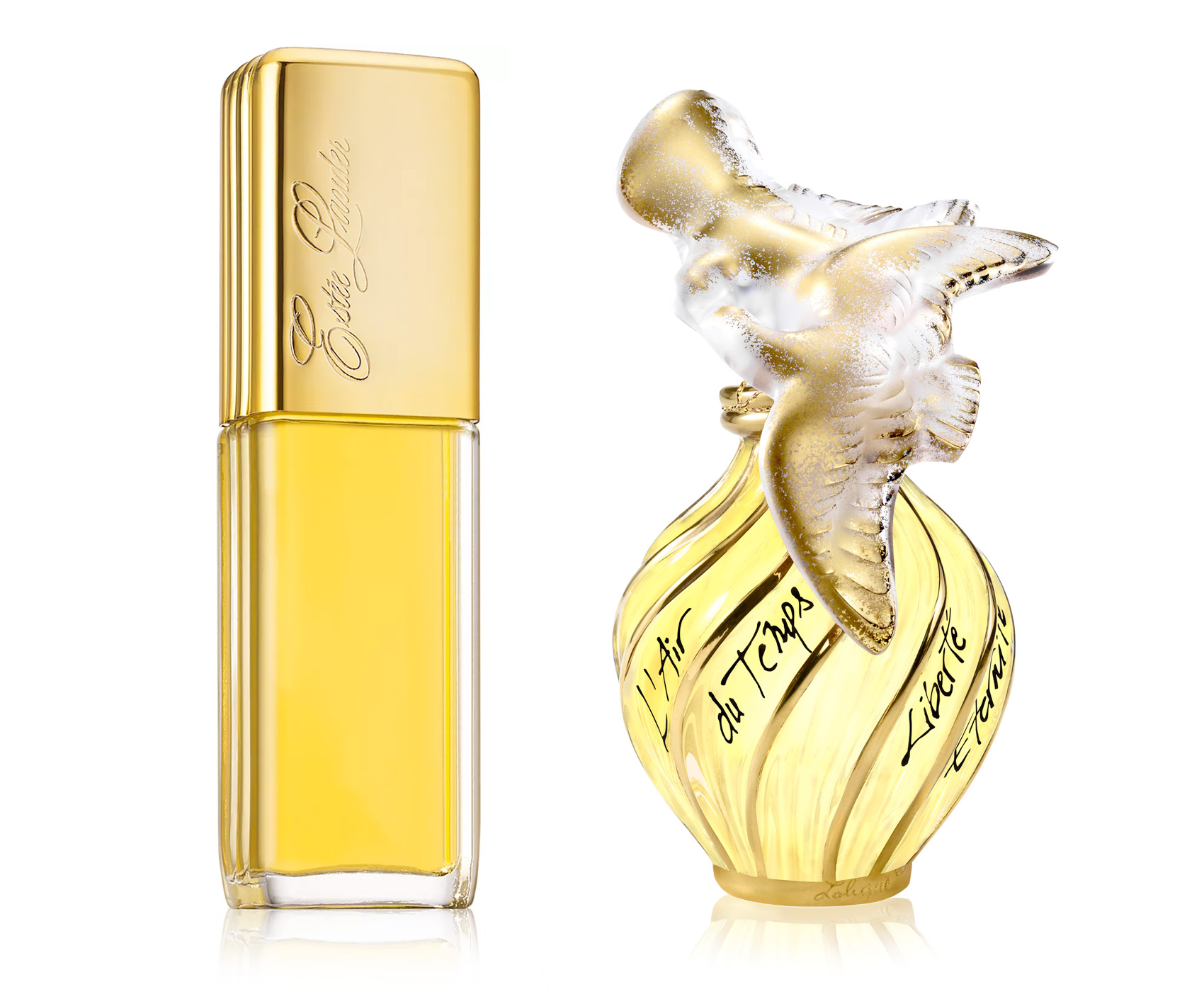
Estée Lauder’s Eau de Private Collection (the standard modern formulation, rather than the vintage or the recent Legacy edition) and Nina Ricci’s L’Air du Temps (also the modern version) share a strikingly similar mood for me.
Both are golden, transparent, and soaring—distinctly retro, yet simultaneously fresh and youthful. The opening of both fragrances reveals a delicate, powdery, aldehydic chypre profile, seemingly pierced by the bright rays of the March sun. Almost immediately in Private Collection, however, a green and slightly honeyed floral tone begins to dominate. While most critics interpret this as an autumn chrysanthemum, to my nose, it is undeniably a spring narcissus. Both flowers share a unique combination of a sharp, almost onion-like bitterness and warm honey; perhaps, if one wishes, both can be sensed blooming here.
Comments
Loading comments...